
In today’s crowded iGaming industry, operators seek features primarily aimed at fostering lasting player loyalty. The reason is straightforward: retaining an existing player is more cost-effective than acquiring a new one. The uphill battle is to change occasional visits into ongoing interaction, and this is where gamification makes a difference. A popular buzzword these days, but given the current challenges, this concept is one that operators should not ignore.
Read the article and find out how gamification functions inside a casino platform, why it aligns so naturally with player behaviour, and which mechanics work best to transform routine gameplay into long-term engagement, while also serving as a strategic growth tool for online casino operators.
What is Gamification in iGaming
Gamification means introducing familiar game-like mechanics into online casinos, sportsbooks, and lottery platforms, making gameplay more interactive. The purpose is to drive engagement, influence player behaviour, and support key metrics such as retention and player lifetime value (LTV).
At its core, gamification is built on behavioural motivation – the natural human inclination to achieve, progress, and be rewarded. These drivers shape how players interact with a platform and form the foundation for all gamification elements.
What does gamification look like in practice?
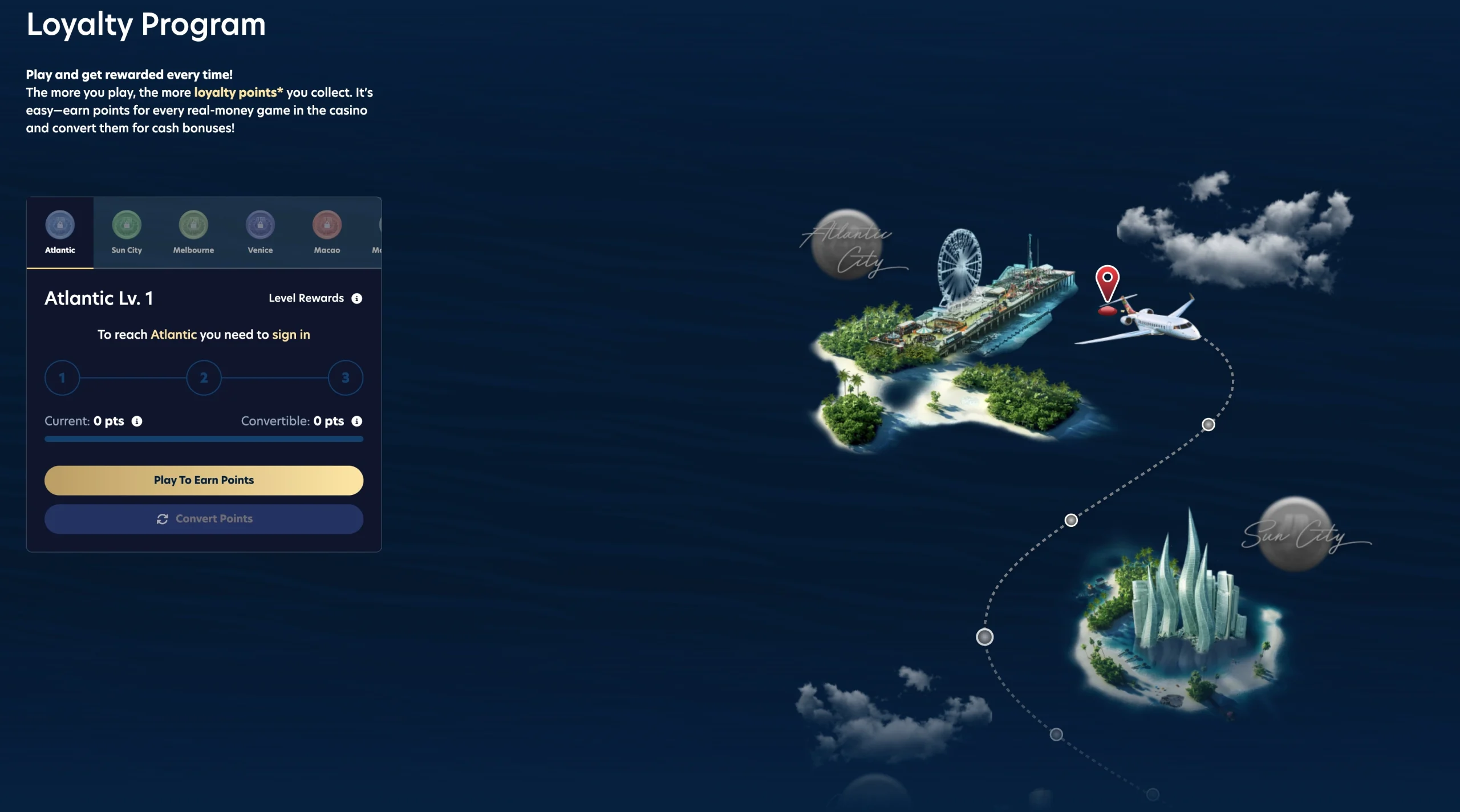
On iGaming websites, it typically takes the form of goals, missions, challenges, levels, and reward systems that are familiar from video games or mobile apps. These mechanics can be built directly into the platform or delivered through a standalone CRM layer that powers gamified journeys across channels.
Integrated into the online gambling journey, they add structure to gameplay by connecting random, isolated actions – such as single spins, one-off bets, or short sessions – through clear objectives and rules.
Defined milestones, including completed tasks, unlocked rewards, or new levels, give players a sense of direction, support more intentional decision-making, and encourage consistent engagement over time, providing strong reasons to return.
Key Casino Gamification Mechanics
To better understand gamification in casinos, let’s examine the key mechanics in that area.
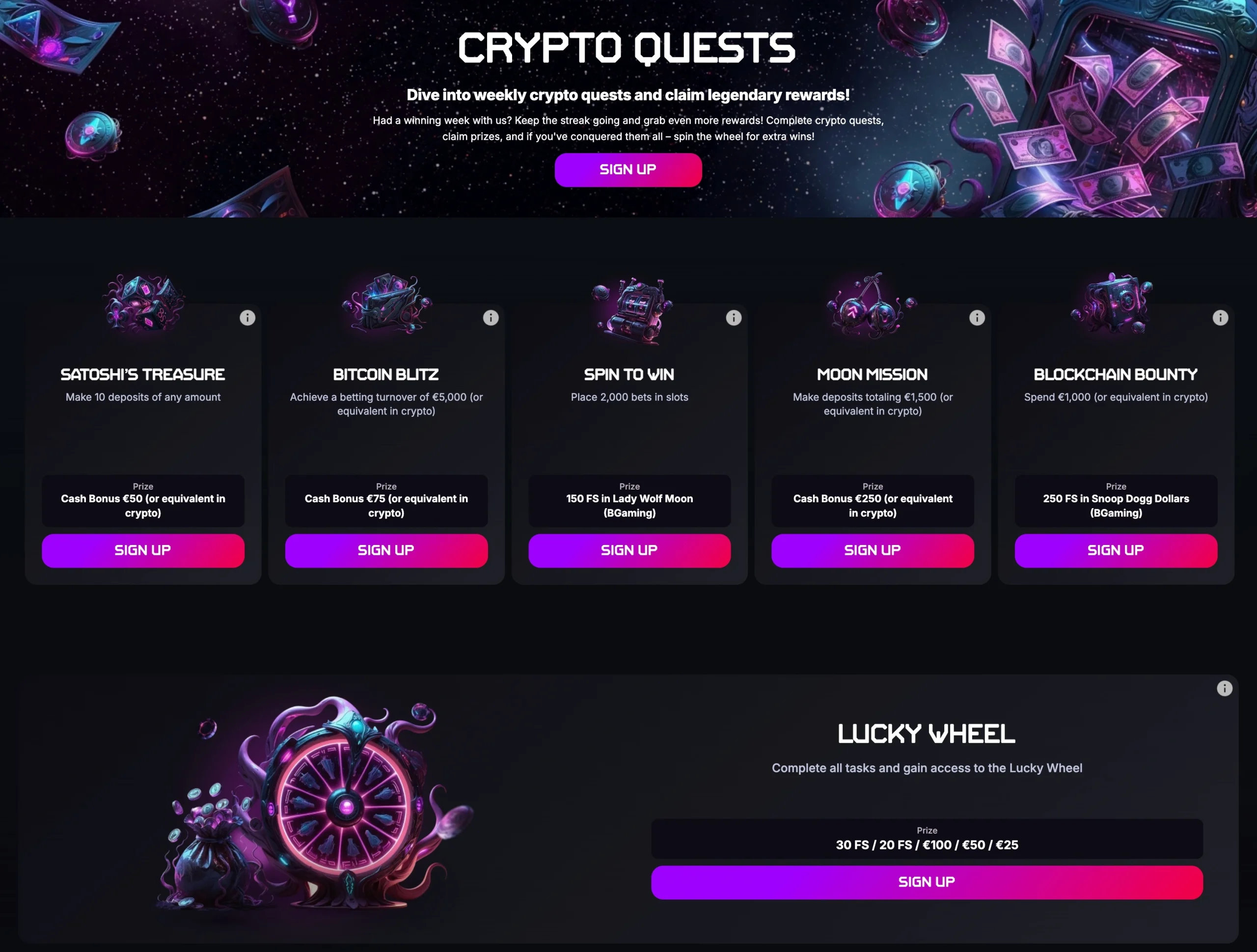
- Quests and Challenges: A simple way to guide traffic, boost activity during quieter periods, and build consistent engagement. Also useful for highlighting new games and drawing attention to selected providers. For players, they create a strong sense of purpose, resulting in longer sessions, increased interaction across products, and higher completion rates for special events.
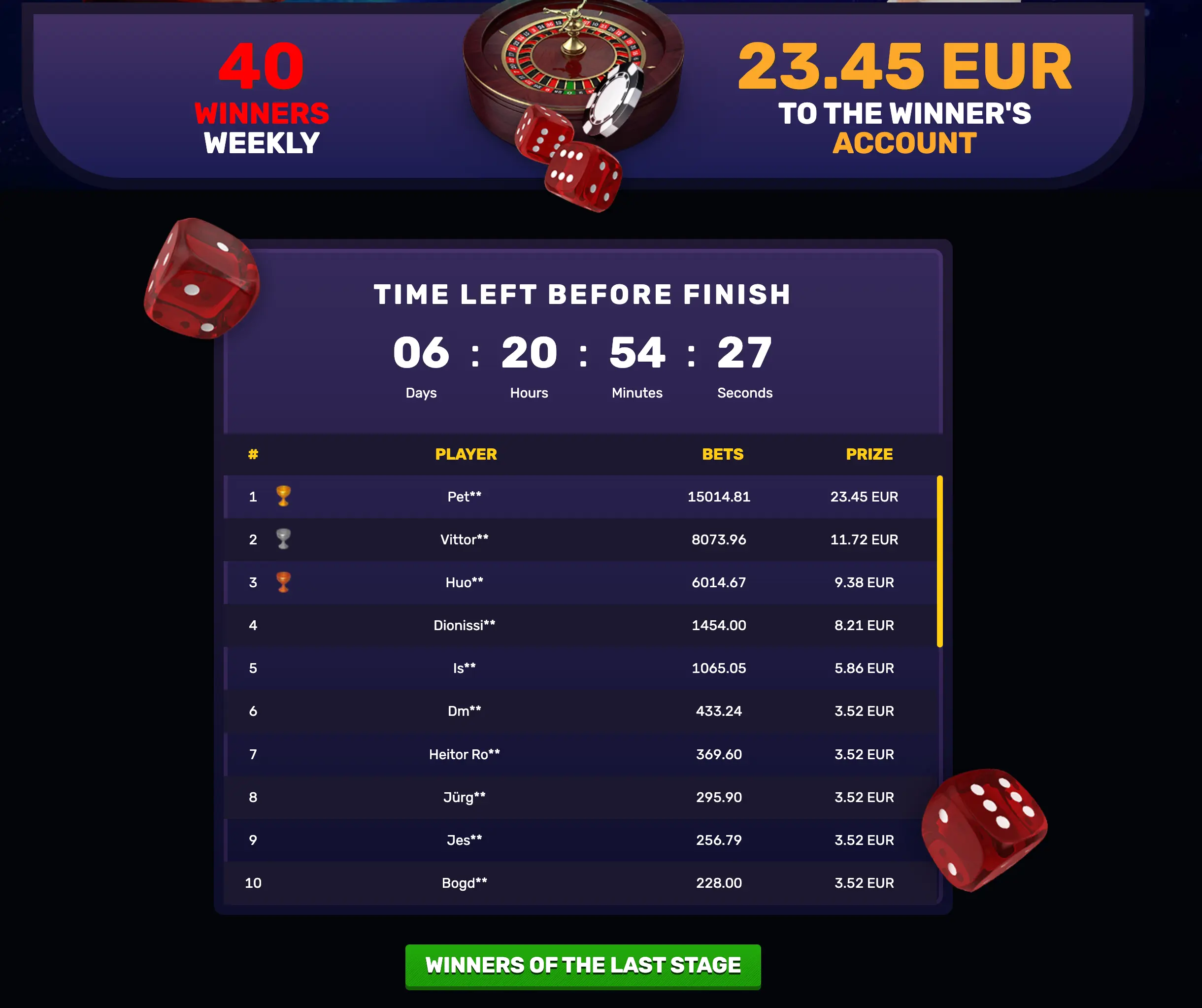
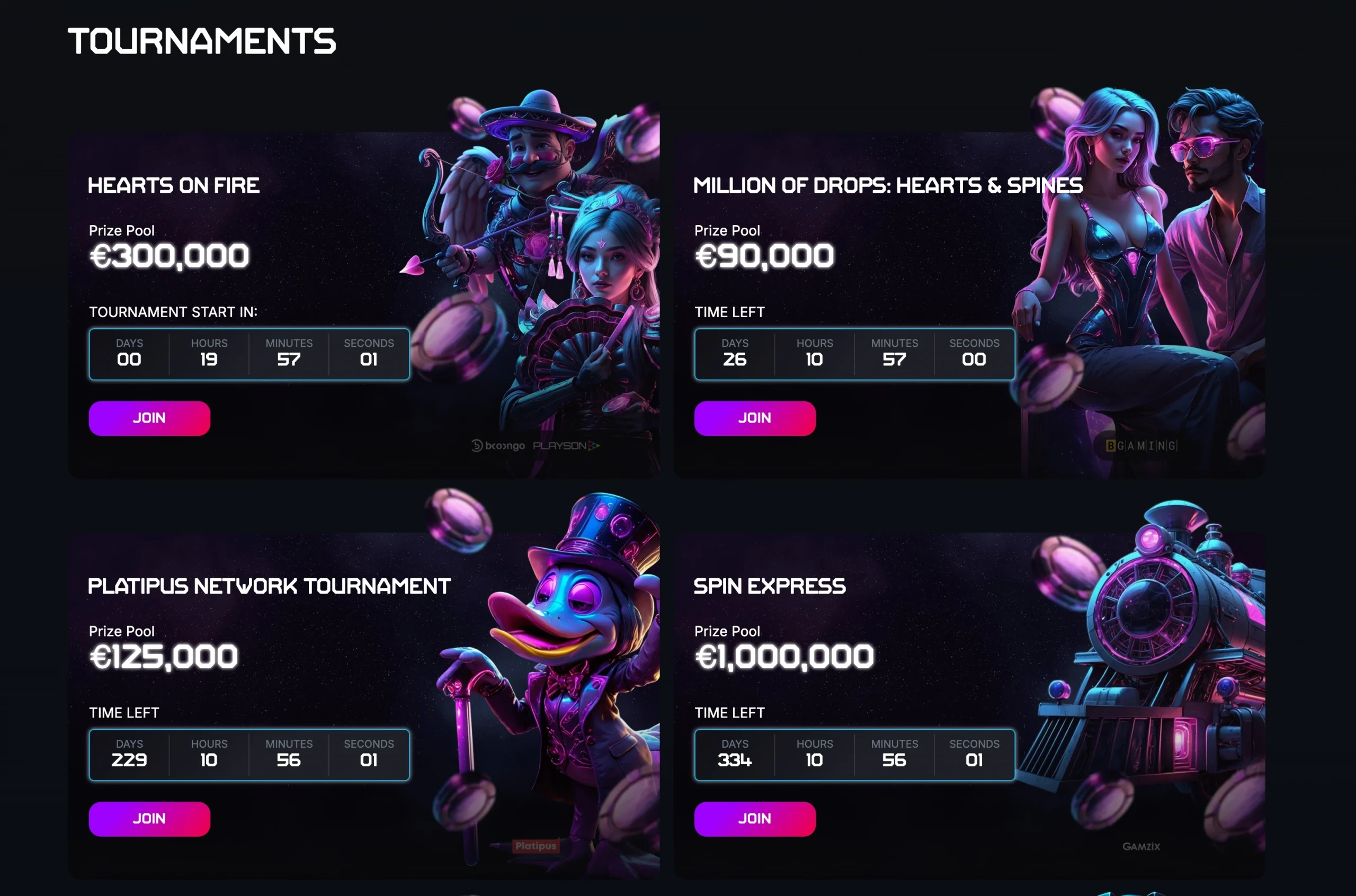
- Leaderboards: Can significantly elevate player experience, tapping into the natural desire to outperform others. This dynamic keeps players motivated and deeply engaged throughout their journey. Operators define the rules of the game, whether it’s the biggest win, the highest multiplier, the most spins, or any other achievement, setting clear objectives that keep the excitement alive.
- Rewards: Work best when they are diverse and tailored to how players interact with the platform. They are earned naturally through gameplay, such as completing tasks, reaching milestones, or participating in events, and can take both monetary (such as cash prizes or cashback) and non-monetary forms (points, badges, or access to features), often without wagering requirements.
- Levels: When players see their progress bar moving and know that every action brings them closer to the next level, they are motivated to stay active. XP points are the driving force behind this system, a universal measure of activity that can be awarded for almost anything: spins, deposits, and participation in special events.
- Points: The universal currency that connects different elements of gamification. Unlike rewards, points have no direct cost when issued, allowing operators to recognise player activity frequently while reserving real value for redemption – a cost-effective way to sustain engagement.
- Badges: Appeal to the player’s need for recognition. They don’t have to offer money to be effective, as many players just enjoy the fun of collecting them. When displayed on a user profile, badges serve as social proof, highlighting experience and dedication.
- Team-based mechanics: Team tournaments, shared missions, and collective goals add a collaborative layer to gameplay that goes beyond individual play. Players contribute to a common objective, which encourages regular participation, repeated sessions, and interaction between players, strengthening their connection to the platform and enriching the overall experience.
- Instant feedback: Keeps players aware of their achievements and progress. This openness reduces uncertainty and strengthens the feeling of accomplishment. Whether it’s animations, pop-ups, sound cues, or progress bars, these quick responses make every action feel more transparent.
- Storylines: Bind all gamification elements into a cohesive whole, giving quests a purpose, adding meaning to challenges, and transforming simple actions into a larger adventure. A strong narrative further reinforces brand identity, giving the casino experience a distinctive and lasting impression.
Standard Features Vs Gamification – What’s the Difference?
At first glance, elements like rewards or progression perks may resemble features online casinos have always used. The difference lies in their purpose and structure. Standard features deliver the core offering – the essentials players expect. Gamification, on the other hand, elevates those essentials by turning them into an interactive, goal-driven journey. It creates momentum and ongoing motivation that traditional features cannot offer.
| Aspect | Standard Features | Gamification Features |
| Purpose | Provide basic play and access to content | Create continuous engagement and motivation |
| Reward Style | Static incentives, triggered by simple actions (e.g., deposit = bonus) | Dynamic, tied to progress, achievements, and ongoing challenges |
| Player Interaction | Mostly passive – players receive what the casino offers | Highly interactive – players complete goals to unlock rewards |
| Experience Type | Transactional (do this → get that → stop) | Gameplay-driven and immersive (keep playing → progress → unlock → continue) |
| Retention Impact | Short-term boost | Long-term engagement and loyalty |
| Personalisation | Limited | Tailored to player behaviour and activity |
| Motivation | Comes from rewards alone | Comes from rewards plus progress, achievement, and competition |
Why Gamification Matters for Online Casino Operators
Fundamentally, gamification helps improve the KPIs in the iGaming industry: retention, session length, login frequency, and ultimately lifetime value. It gives operators a measurable way to drive growth across their player base. But its value doesn’t stop here. Online casino gamification also unlocks broader strategic advantages.
Brand Differentiation
In today’s iGaming landscape, where countless platforms look almost identical, and most online casinos offer content from the same game providers, creating a recognisable brand is the backbone of lasting success. What truly sets operators apart is the experience they build around that content: how it feels to play, progress, and engage beyond the game itself.
Gamification gives operators an edge by adding personality and character to their offering, turning standard game libraries into something distinctly “theirs.” Instead of blending in, the brand becomes memorable, helping operators win attention and drive value in a market where every impression counts.
Player Data and Insights
A complete understanding of player behaviour is one of the strongest assets an operator can have. Gamification reveals behavioural patterns that traditional tools often miss, helping operators refine their CRM efforts and communicate more effectively.
This becomes even more powerful when combined with AI-driven solutions that enable the analysis of gamification data at scale, uncovering hidden trends and predicting player needs with far greater accuracy. In practice, this means smarter personalisation, more timely engagement, and a system that adapts dynamically to every player, all without increasing operational burden.
Regulatory-Safe Engagement
With regulations tightening across many jurisdictions, operators can no longer rely solely on bonuses to keep players active. They require more effective and safe engagement methods. This is where principle-respectful gamification becomes a strategic asset – it drives ongoing activity through interaction rather than financial incentives, giving operators a compliant way to keep players coming back.
Cross-Vertical Synergy
The importance of expanding offerings across multiple verticals is greater than ever, and gamification plays a key role in guiding players between them. It helps operators naturally encourage players to explore new areas of the ecosystem. This seamless movement enables operators to exert greater control over how traffic flows across their products.
How to Implement Gamification in Your Casino Business
Once the concept of casino gamification becomes clear, the next step is to understand how to integrate it into business strategy in a practical and measurable way. Below are the essential steps operators should follow.
Step 1: Define Strategic Goals
Before any mechanics are introduced, operators need to identify which aspects of player behaviour they want to influence. For some brands, the priority may be boosting daily activity; for others, increasing movement between casino, live games, and sportsbook; for many, the long-term focus remains on retention and lifetime value.
Step 2: Select Gamification Tools
Once the goals are set, the operator chooses the technology to support them. Those who work on their own platforms must assess whether existing systems can support these mechanics and identify where additional development or integrations may be necessary. Third-party platforms often include these features.
Step 3: Ensure Player Protection
Gamification extends to bonuses, behaviour, and communication – all areas regulators pay close attention to. Early alignment with compliance is just as important in gamification as it is across the rest of the iGaming ecosystem. From an operator's perspective, well-structured rules and transparent conditions are not only a legal requirement but also a safeguard against player disputes. Fine mechanics reduce friction on support teams and strengthen trust in the brand.
Step 4: Launch, Measure, Optimise
Once live, gamification must be treated as a continuous optimisation cycle. The best value is achieved in post-release analysis and iteration.
Operators should focus on actionable KPIs; segment-level analysis is critical, as different player cohorts respond unevenly to the same mechanics.
This phase also requires tight control of the reward economy. Progression speed, reward value, and bonus conversion must be constantly adjusted to prevent inflation, abuse, or margin erosion. Controlled experiments and A/B testing ensure that changes deliver measurable commercial value.
Gamification works when player motivation and operator goals are aligned through data, not when more features are added.
Ready-to-Go Casino Gamification Software
For many operators, the easiest way to bring gamification into their product offering is to start with a platform that already provides the core engagement tools.
High-quality iGaming software comes with a basic set of features, including loyalty points, missions, tournaments, segmentation, and simple analytics, which means teams don’t have to build everything from scratch. Having these fundamentals in place allows operators to spend more time refining the player journey rather than investing resources into groundwork.
Loyalty schemes and progression paths are usually the first elements operators experiment with. They are simple to set up, visible to players straight away, and effective at encouraging repeat visits. For example, players may earn points for bets or spins and move through levels that unlock basic rewards or benefits. These mechanics often act as the foundation on which more advanced engagement features – such as personalised challenges, mission chains, leaderboards, or cross-product campaigns – are later built.
Game aggregators have also evolved to support engagement features. Many now include tournament engines or leaderboard modules that work across thousands of titles in their catalogues. Because these tools do not require additional development, operators can quickly introduce a sense of competition without major operational effort.
Sports betting platforms are following the same path. Beyond traditional promotions, many now offer engagement options tailored to bettors, such as themed jackpots, bonuses tied to match events, or personalised notifications designed to keep players active throughout a game. The idea is the same as in a casino: give players a steady flow of reasons to return.
Another area gaining traction is jackpot management software. which enables centralised management of jackpots across multiple products and brands from one place. These solutions typically come with customisable templates, segmentation options, and flexible integrations, helping operators create jackpot experiences that feel more targeted and relevant to different audience groups.
Overall, ready-made engagement tools give operators a practical head start. They reduce development pressure, shorten time-to-market, and make it easier to test new ideas as player expectations evolve.
RELATED ARTICLE
Why the Jackpot Aggregator is a Must-Have for Player Loyalty in 2026
Jackpots can be a potent tool for engaging your player base. Discover how to maximise the effectiveness of the Jackpot Aggregator's campaign.
Challenges and Considerations
While gamification can strengthen an operator’s overall business strategy, it also presents specific challenges that require careful planning and execution.
- Over-complexity. One of the biggest risks in gamification is trying to do too much at once. Complicated missions, unclear reward paths, or cluttered interfaces can confuse players instead of motivating them. Keeping things simple and easy to navigate is crucial for maintaining high engagement.
- Fresh content. Gamification works best when it evolves. Static missions or repetitive events lose their impact over time. Operators should be ready to refresh campaigns, tweak difficulty, introduce new reward types, and adjust pacing based on player behaviour and data-driven insights.
- Data management and personalisation. Gamification generates rich behavioural data, but turning that data into actionable insight requires the right tools and skills. Operators need to interpret patterns correctly, segment players meaningfully, and use personalisation responsibly, especially when introducing AI-driven optimisation. Poor data handling can result in irrelevant offers or ineffective communication.
- Technical stability across products. Gamification often spans multiple verticals, like a casino and sportsbook, which requires smooth integration and consistent performance. Any technical issues or delays in reward delivery can undermine trust and reduce player motivation.
Conclusion
As gamification becomes a core engagement layer rather than an add-on, its effectiveness increasingly depends on how seamlessly it operates across products and player touchpoints. This shift requires moving beyond isolated mechanics towards unified systems that support retention, lifecycle management, and scalable growth. Delivering such an approach demands not only thoughtful design but also a robust technological architecture capable of connecting multiple verticals into a single player experience.
For iGaming brands seeking to build a smarter, future-ready offering, SOFTSWISS provides the tools to make it happen, with solutions that enable operators to create a unified gamification ecosystem designed for long-term success. Contact us and discover how we can support your next move.
- What is gamification in iGaming?
-
Gamification in iGaming refers to the use of game-inspired mechanics, such as missions, levels, challenges, and rewards, within online casino platforms and other iGaming verticals. These elements add structure and context to gameplay, enhancing the overall player experience without changing the underlying game mechanics or odds.
- How does gamification differ from standard bonuses?
-
Unlike traditional bonuses, which are typically one-time incentives, gamification emphasises ongoing engagement. It introduces progression paths and long-term goals that encourage repeat interaction and sustained participation rather than short-term activity.
- Which gamification features are most common in iGaming?
-
Common features include loyalty programmes, progression levels, missions, tournaments, leaderboards, and achievement systems. Operators often start with basic loyalty mechanics before expanding into more advanced, cross-game or cross-vertical experiences.
- Why is gamification important?
-
Gamification helps increase player retention, deepen engagement, and support a more predictable player lifecycle. By guiding players through structured experiences, it encourages longer-term interaction with the platform and strengthens loyalty over time.


